

How To Clean Pool Drain
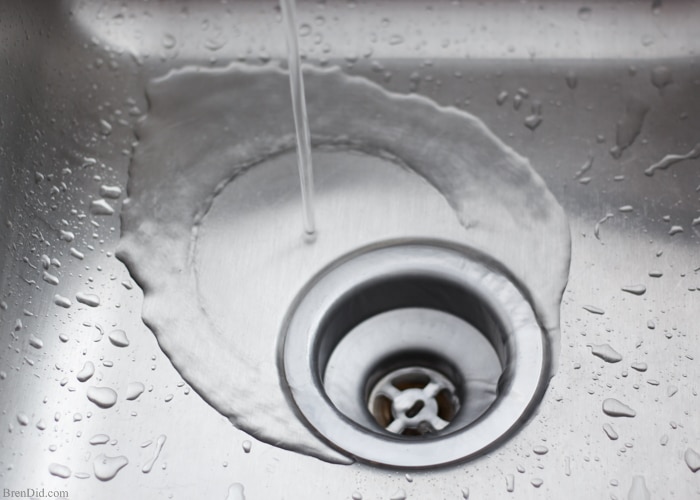
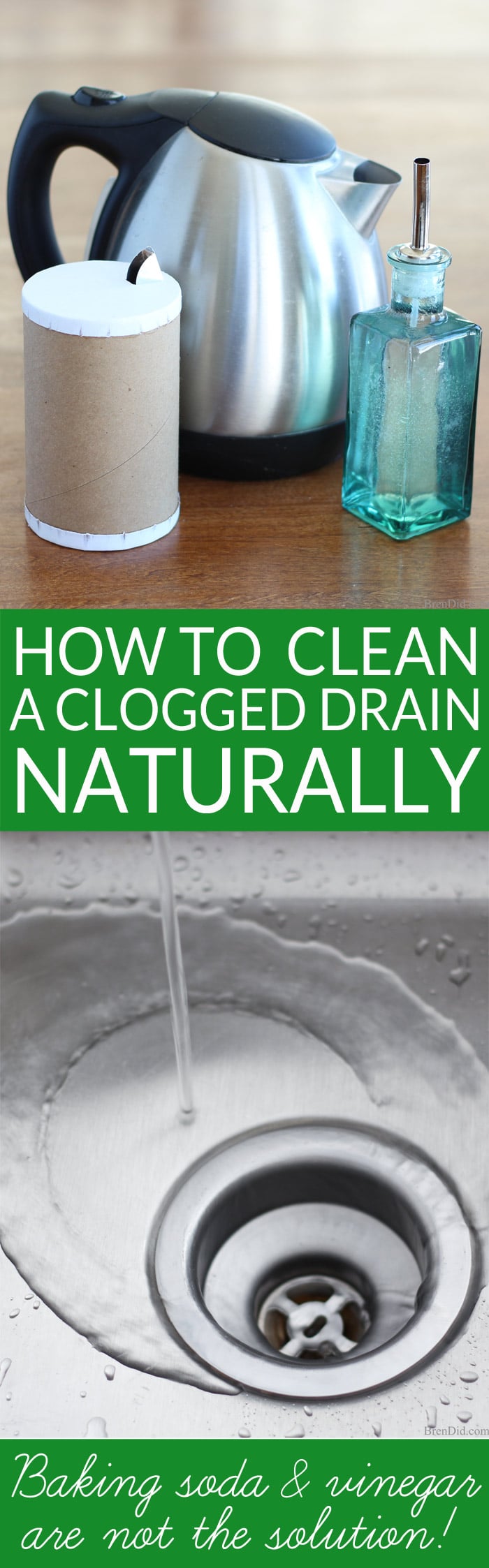
Learn how to naturally clean a clogged drain and unstop a slow running sink without using toxic chemicals or calling a plumber! (Hint: You probably have the supplies in your home and it's not baking soda and vinegar!)
This post uses affiliate links.They don't cost you a thing and help us bring you all natural cleaning tutorials. Read more in Policies and Disclosures.
Have you ever had a clogged drain? The most embarrassing clog of my life occurred the year we hosted Thanksgiving dinner for my entire family. Somewhere between the liquid turkey fat and potato peels my kitchen drain gave up and began regurgitating murky brown water mixed with bits of food from the disposal.
Watching me frantically plunge the kitchen sink was NOT the most appetizing pre-dinner activity.
Commercial Drain Cleaners
What's even worse than an embarrassing clog? Being forced to usedangerous chemicals to unstop backed up sinks and clean slow flowing drains.
Flush the toxic chemicals and learn the easy way to naturally clean a clogged drain and speed up slow flowing pipes.
(Hint: You probably have the supplies in your home and it's not baking soda and vinegar!)
What Causes Disgusting Drain Clogs?
Have you ever tried to stop a leaking air mattress from deflating? It's impossible to stop the air loss until you find the hole.
The same principle applies when cleaning a clogged drain… you cannot clean and declog if you don't know the cause of the problem.
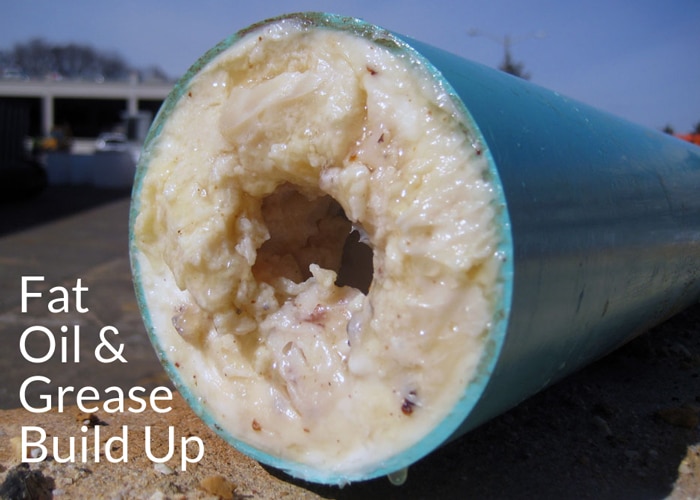
Most household drain clogs are caused by four substances.
Kitchen Sink Clog Causes
- Fat, Oil and Grease (or FOG): Fatty substances are the number one cause of kitchen sink clogs and slow draining sinks. – they go down the drain easily in a liquid state (think hot grease in a pan or dissolved fat in warm dishwater) BUT as they move through your pipes the fat cools. This solid fat coats the pipes' insides getting thicker and thicker until you have a slow drain or complete blockage.
- Food Particles: Large food particles or vegetable peels that become trapped in the curved pipe beneath the sink (also known as the p-trap) are another common cause of kitchen drain clogs.
Bathroom Sink Clog Causes
- Hair: Hair is the most common cause of bathroom drain clog. The hair easily goes down the drain with water then accumulates inside the pipe building up until the line is blocked. These clogs usually occur right below the drain.
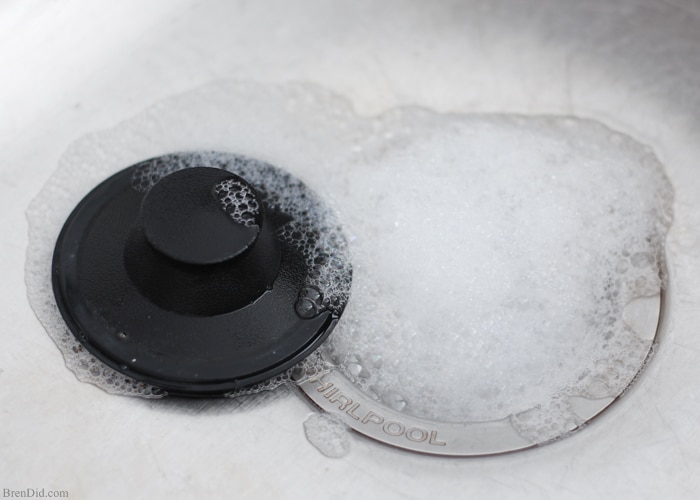
- Soap Scum: Greasy soap residue and particles can also coat the interior of pipes and cause a blockage. In some cases the soap buildup can become so bad it can actually corrode the pipes.
The Right Tool (or Trick) for the Clog
After you make an educated guess about the cause of the clog, four tools and tricks will help you naturally unclog your drain and remove debris without calling a plumber.
1. A Plunger
- Works On: Food particles or objects stuck in the p-trap (the curved pipe) beneath your sink. Try this on completely clogged or slow-draining drains.
- How to Use: Clear the surrounding area in case of water splashes. Fill the sink halfway with warm water then give your sink a good plunging using a rubber plunger. Rinse drain with hot water.
- Why This Works: The plunger dislodges stuck food particles and allows them to pass down through the drain pipe. The water rinse washes them down the drain.
2. Long Wire Hook
- Works On: Hair or small objects stuck in bathroom drains. Try this on completely clogged or slow-draining bathroom drains.
- How to Use: Bend the end of a long piece of wire into a small hook using pliers (a coat hanger works great) or get a drain cleaning tool. Carefully remove the drain cover, remove any visible debris, then insert the hook. (You'll want to wear gloves, it is gross.) Pull the hook back up and remove any debris (this will be a bunch of decomposing hair and gunk). Use the hook a few times in the drain to make sure you entirely clear the debris. Dispose of the debris in the garbage.
- Why This Works: The hook removes the hair and debris that was blocking the drain, leaving it clean and free-flowing.
3. Liquid Dish Detergent and Hot Water
- Works On: Grease clogs or fat narrowed pipes. Try this on slow-draining kitchen drains.
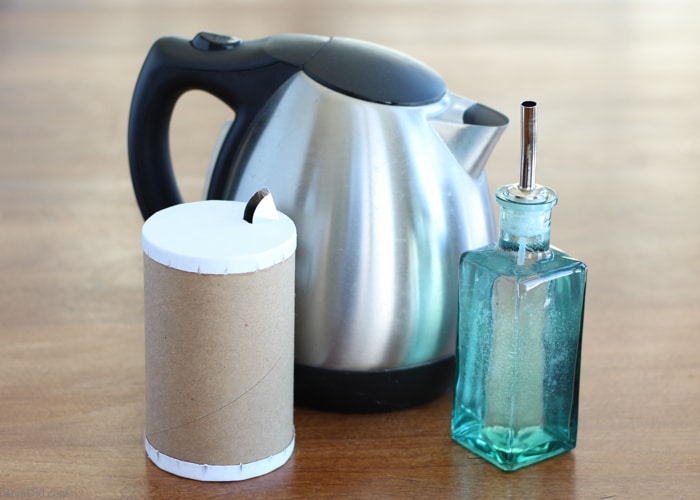
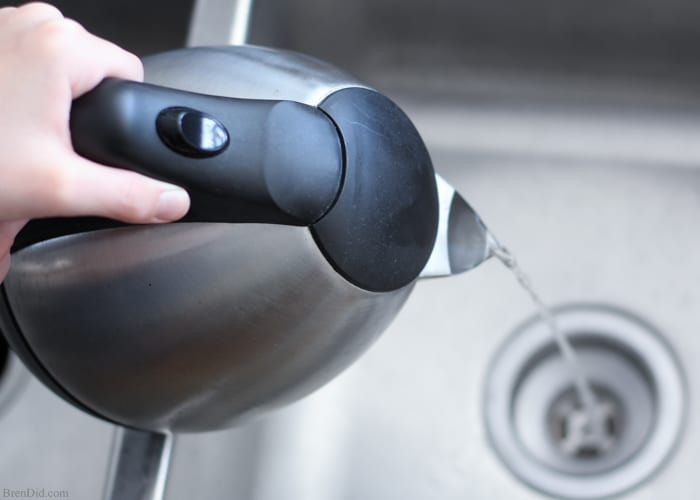
- How to Use: Heat 2 liters (a large pot of water) to a boil then stir in a few tablespoons of natural hand washing dish detergent or Sal's Suds. Slowly pour the nearly boiling water down the slow running drain and then flush with hot tap water. This can take several pans of detergent and hot water.
- Why This Works: The hot water melts some of the grease narrowing the pipes, and the dish detergent helps to dissolve the fat. This combination of cleaners removes the gunky buildup and allows drain pipes to run more freely.
4. Salt and Hot Water
- Works On: Grease or soap clogs and fat or soap narrowed pipes. Try this on slow-draining kitchen and bathroom drains.
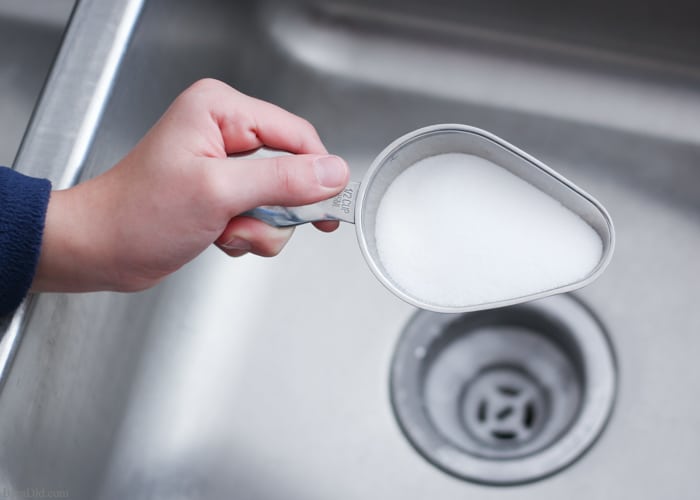
- How to Use: Pour one-half cup of salt down the slow-moving drain. Heat 2 liters of water until it is nearly boiling then slowly pour down the drain and flush with hot tap water. It may take several rounds of salt and hot water. You can use any type of salt (table salt, sea salt, or kosher salt).
- Why This Works: The hot water melts some of the grease that is narrowing the pipes. The salt has an abrasive texture that acts as a natural scouring agent, forcing more greasy build up out. This combination of cleaners removes the gunky buildup and allows drain pipes to run more freely.
5. Biological Enzyme Cleaner
- Works On: Organic based clogs like grease, hair, and soap. Try this on slow-draining kitchen and bathroom drains and homes with septic systems. Enzyme cleaners can also be used regularly to keep drains free of organic material and odors.
- How to Use: Follow package directions. Best used overnight when drains are not being used.
- Why This Works: Biological cleaners such as Earth Enzymes Drain Opener or Biokleen Drain Gel contain enzymes and/or bacteria thateat through the organic materialin the clog to clear the drain. These cleaners can be used in homes with septic systems because they don't kill beneficial bacteria. (Green Gobbler Drain Clog Remover is another popular solution, it uses monosodium sulfate, a non-toxic acid, toremove drain gunk.)
How to Prevent Drain Clogs From Coming Back
After you declog a drain, follow these five guidelines to prevent the problem from reoccurring:
1 – Never put FOG (Fats, Oil or Grease) down a drain or garbage disposal. Any substance high in fat (think bacon grease, coconut oil, butter, peanut butter, and other high fat food) should be cooled and then disposed of in the trash or wiped into the trash before washing.
2 – Don't use hot tap water to melt fats so they can be rinsed down the drain. They will cool and clog your pipes!
3 – Dispose of food waste and vegetable peels in the trash! Do not put onion peels, potato peels, banana peels, egg shells, rice, pasta, celery, and so on down the garbage disposal or sink drain. Check your manufacturer's guide for details.
4 – Install a hair filter in bathroom drains. Never flush hair down the drain when cleaning, wipe loose strands up and throw them away in the trash.
5 – Flush kitchen drains once a month with salt and hot water. This combination prevents greasy build-up and keeps drains running at full capacity.
Get More Green Cleaning Advice
- See my baking soda and vinegar experiment and learn why you should never use it to clean drains!
- Learn more about green cleaning combination that are dangerous or do not work.
I hope these tips keep you from getting an embarrassing drain clog and help you flush the toxic chemicals!
Sign up for my free newsletter below for more green cleaning tip and tricks.

Bren Did Newsletter Subscribers Get Access!

Success! Please check your email to confirm the Free Printable subscription.
How To Clean Pool Drain
Source: https://brendid.com/how-to-naturally-clean-a-clogged-drain/
Posted by: fraziersamintme.blogspot.com
0 Response to "How To Clean Pool Drain"
Post a Comment